

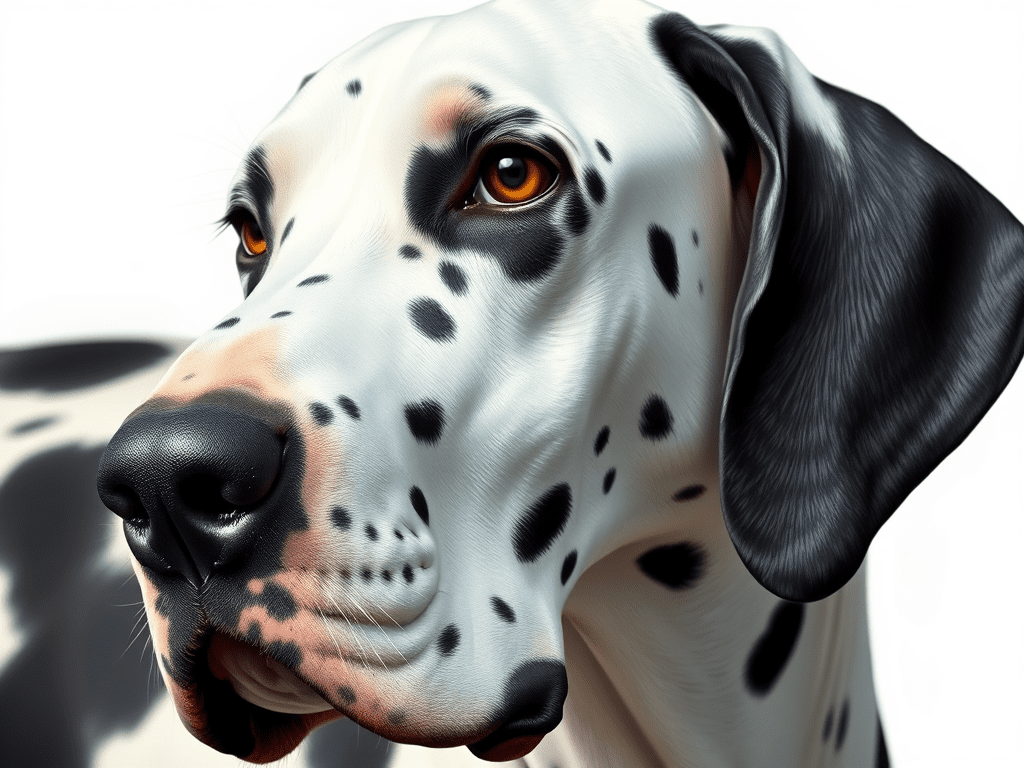
Why can’t Harlequin be expressed without the Merle gene? The Harlequin gene cannot be expressed without the Merle gene because Harlequin is a modifying gene, meaning its sole biological function is to alter the way another specific gene’s pattern appears. Here is exactly why the two genes must work together: • The Modifier Mechanism: The […]
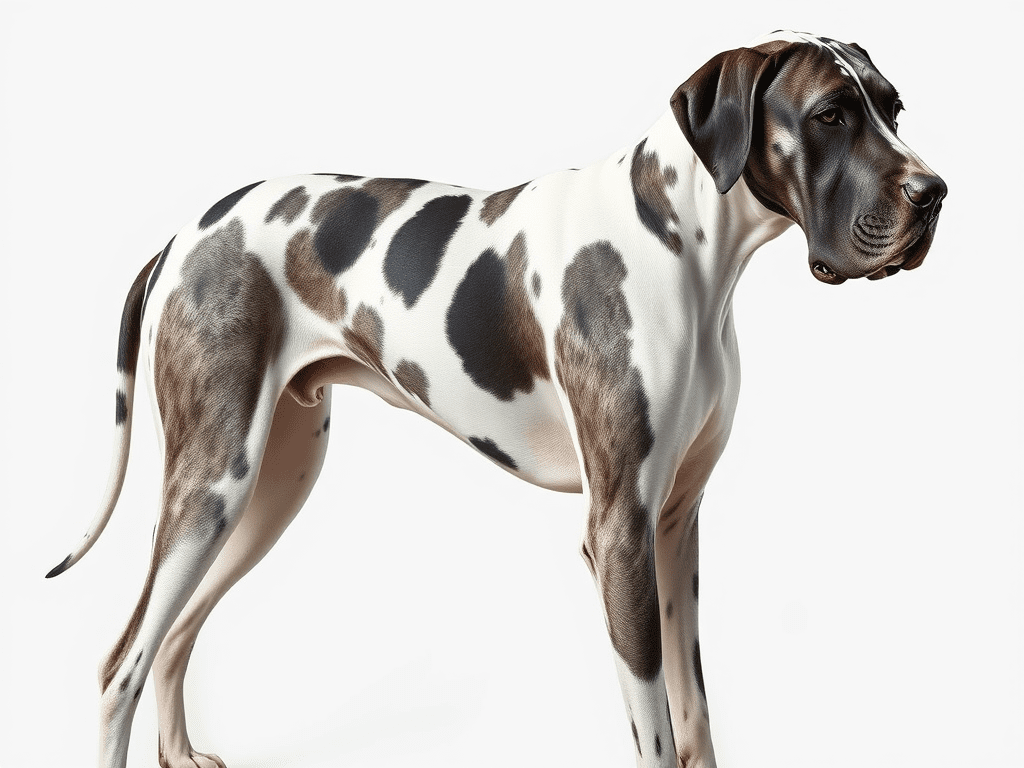
Why Are Brindlequins Patchy? Understanding the Genetics
Why do Brindlequins look patchy? Brindlequins look patchy primarily because the Merle gene affects the dog’s underlying coat pattern. For a dog to be a Brindlequin, it must inherit the brindle mutation (often represented as K br ), which creates a striped pattern over a fawn (sable) base coat. However, a Brindlequin also possesses both […]
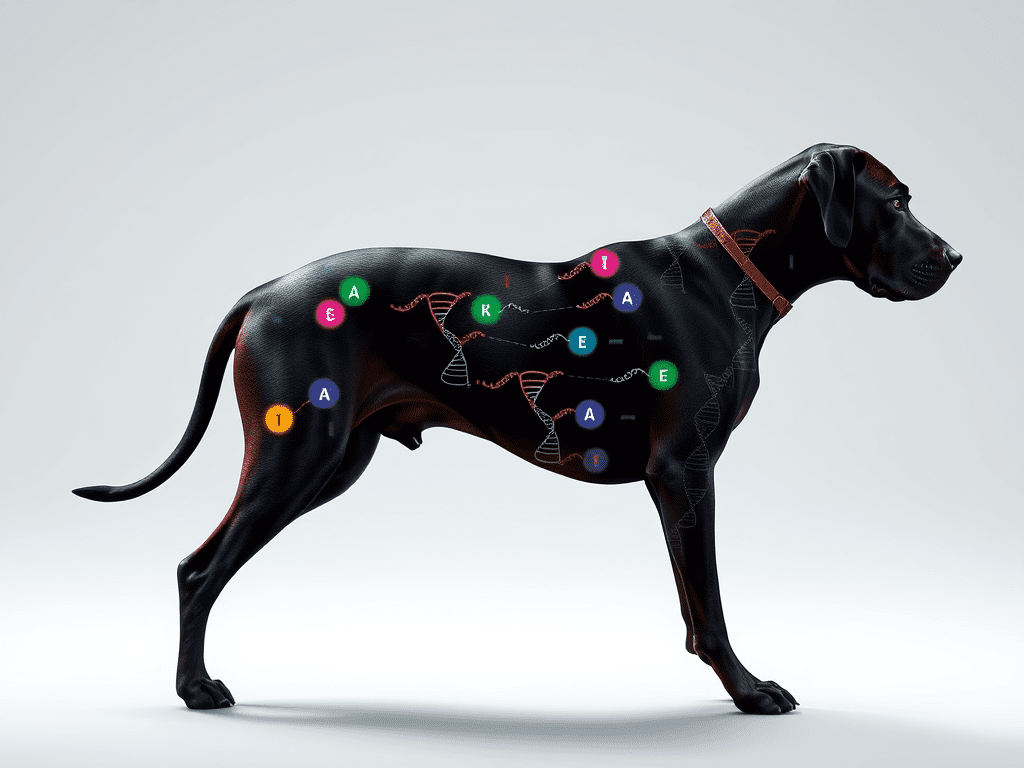
Understanding K, A, and E Loci in Dog Genetics
How do researchers use the K, A, and E loci? Researchers use genetic testing of the K, A, and E loci to uncover a dog’s hidden genotype, predict the coat colors of future offspring, and understand how different pigment genes interact. The K Locus (CBD103 gene). Often referred to as the dominant black gene, the […]
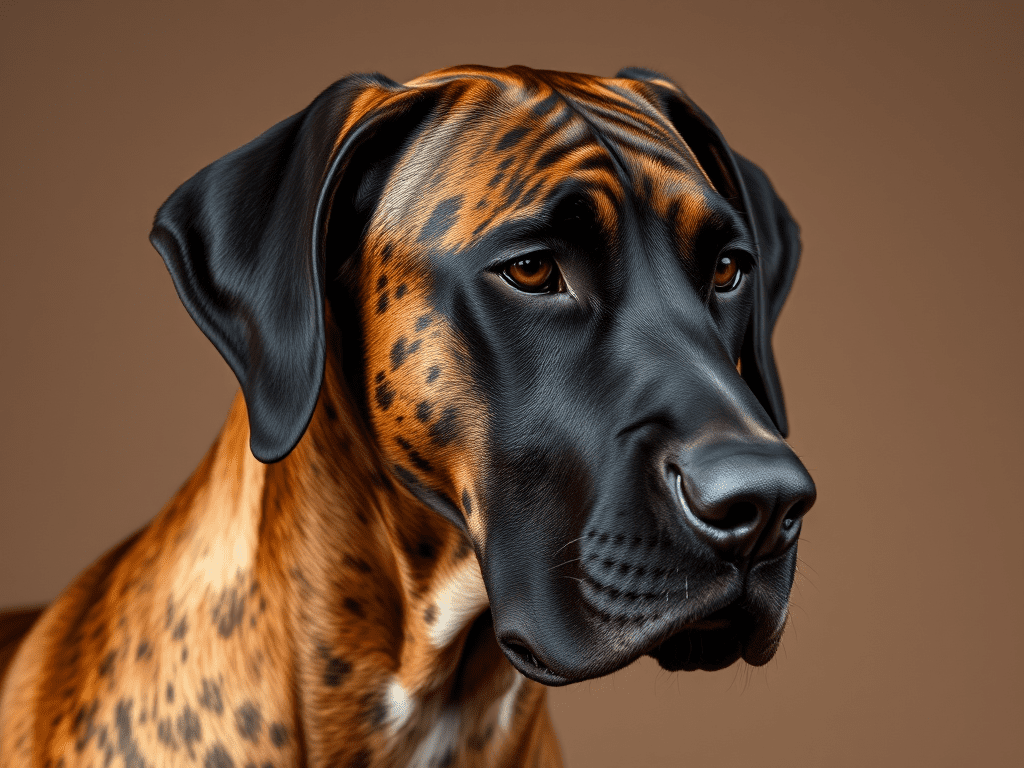
Understanding A, E, and D Loci in Great Dane Coat Colors
How do the A, E, and D loci interact differently? The A, E, and D loci interact to determine a Great Dane’s coat color, but they play fundamentally different roles in how they distribute and modify pigment. Here is how their interactions differ: • The A Locus (Agouti/ASIP gene) determines the base pattern: This locus […]
Understanding PSMB7 Mutation in Great Danes
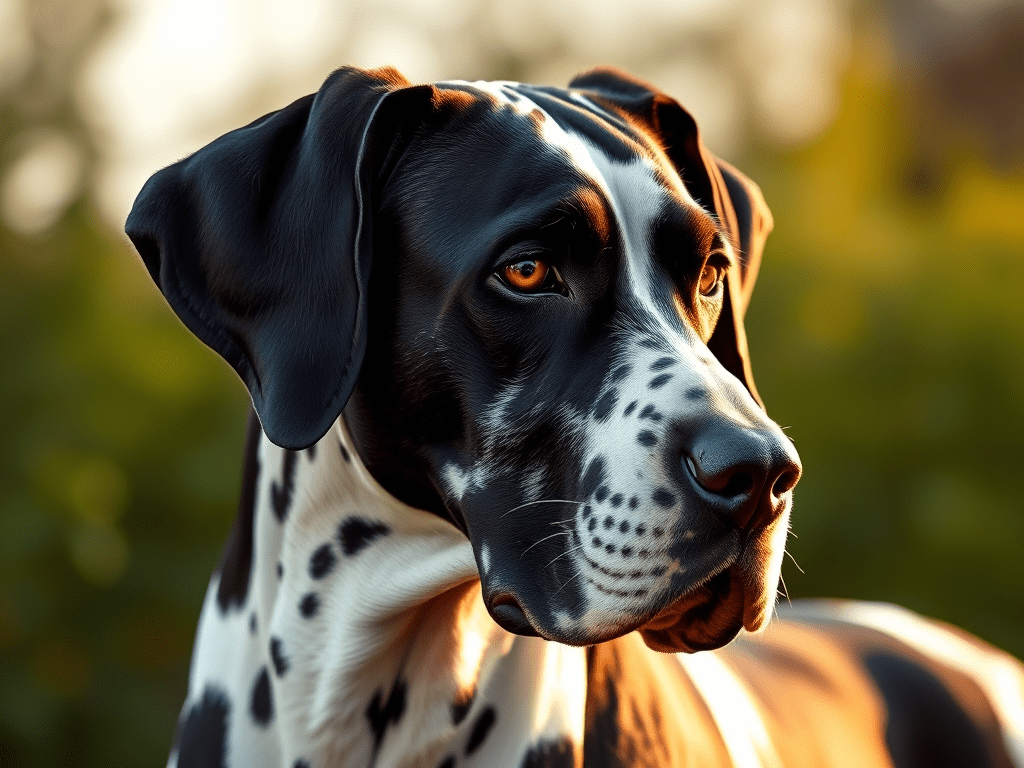
What is the PSMB7 mutation in Great Danes? The PSMB7 mutation in Great Danes is a missense mutation located in the 20S proteasome beta 2 subunit on chromosome 9. This specific genetic variant has been identified by researchers as the cause of the Harlequin trait. The mutation is dominant, and when a dog inherits one […]
Impact of Insertion Length on Merle Dog Appearance
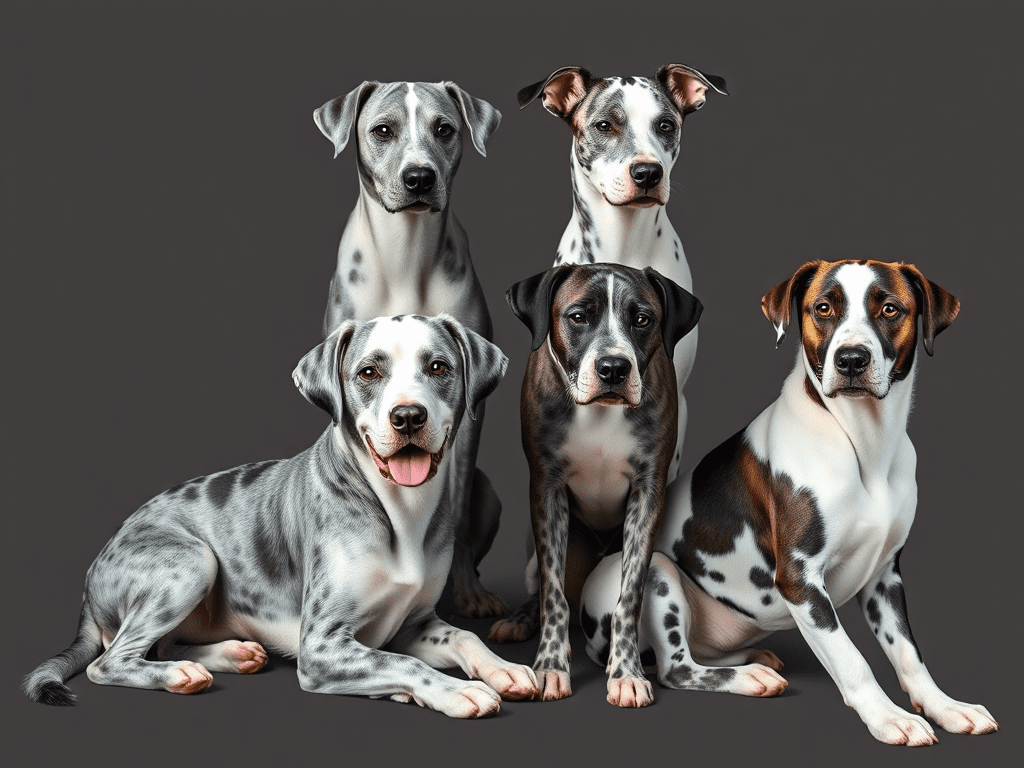
How do different insertion lengths affect a merle’s appearance? The appearance of a merle dog is directly determined by the length of an extra piece of genetic material (measured in base pairs) inserted into the SILV pigment gene. This genetic insertion creates a defective matrix within pigment cells, allowing pigment granules to escape and fade […]
Identifying d1, d2, d3 Variants in Dogs: A Genetic Overview
How do researchers identify the d1, d2, and d3 variants? Researchers identify the d1, d2, and d3 variants of the recessive d allele (located on the MLPH gene) using diagnostic DNA tests. While these genetic tests can successfully detect these three specific variants (with d1 being the standard D-locus variant, and d2 and d3 considered […]

Understanding Colour Dilution Alopecia in Dogs
What is Colour Dilution Alopecia, and does it affect Danes? Colour Dilution Alopecia (CDA), also known as blue dog or blue Doberman syndrome, is a genetic condition that causes progressive hair loss (alopecia) due to an alteration in how hair pigment is formed and stored. It is caused by inheriting two copies of the recessive […]
Harlequin vs Merlequin: Key Genetic Differences
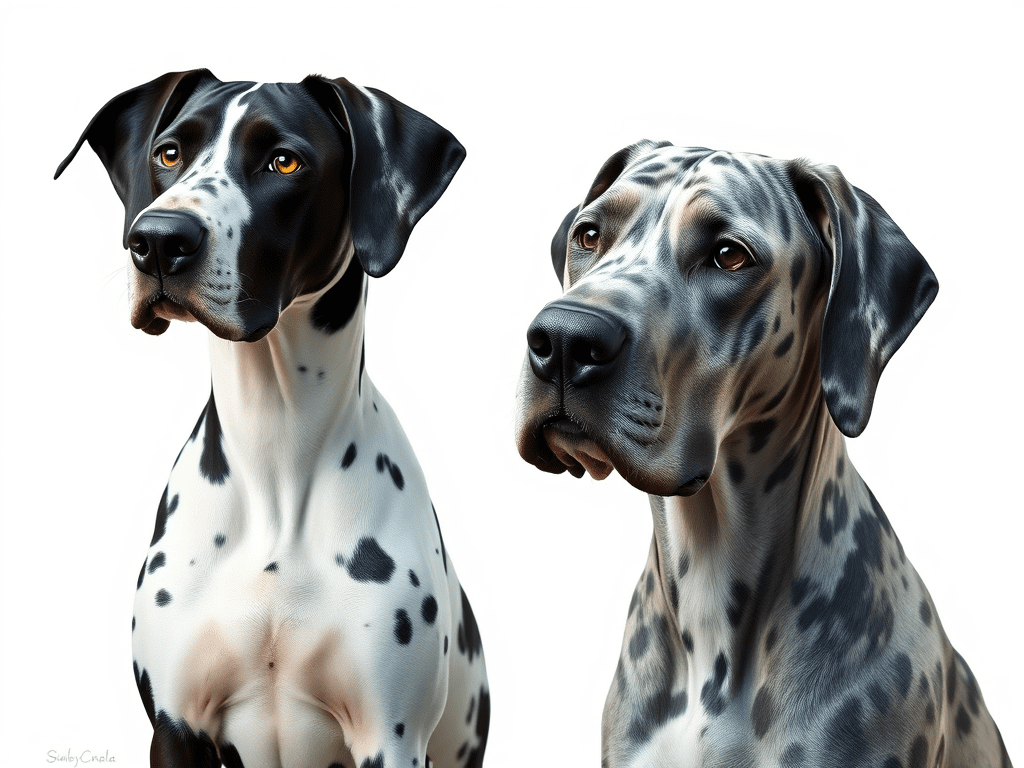
What is the difference between a Harlequin and a Merlequin? The difference between a Harlequin and a Merlequin (or “merlikin”) lies in the presence of the Harlequin gene and the dog’s resulting genetic makeup and coat pattern. Harlequin Genetics and Pattern: A true Harlequin Great Dane possesses the Merle gene alongside the Harlequin-modifying gene (typically […]
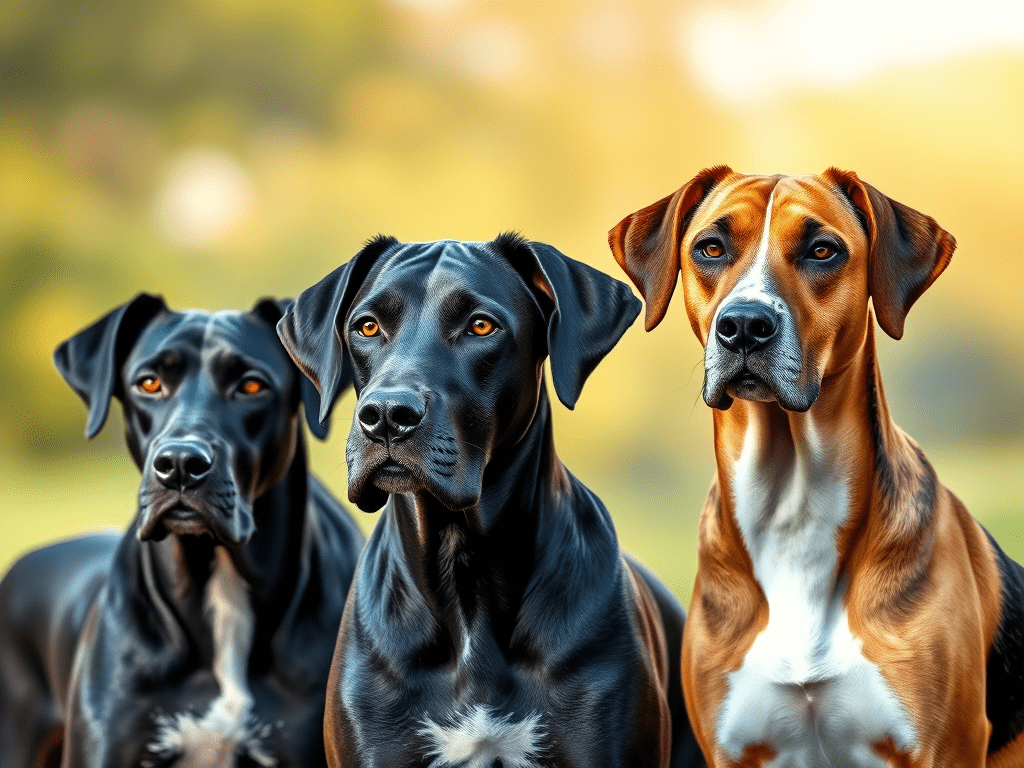
Understanding A, E, D Genetic Series in Dog Breeding
How do breeders use the A, E, and D series? Breeders use the A, E, and D genetic series, along with modern DNA testing, to understand a dog’s hidden genotype and predict the coat colors and patterns of future litters. Here is how breeders utilize each series: • The A-Series (Agouti or ASIP gene): This […]