

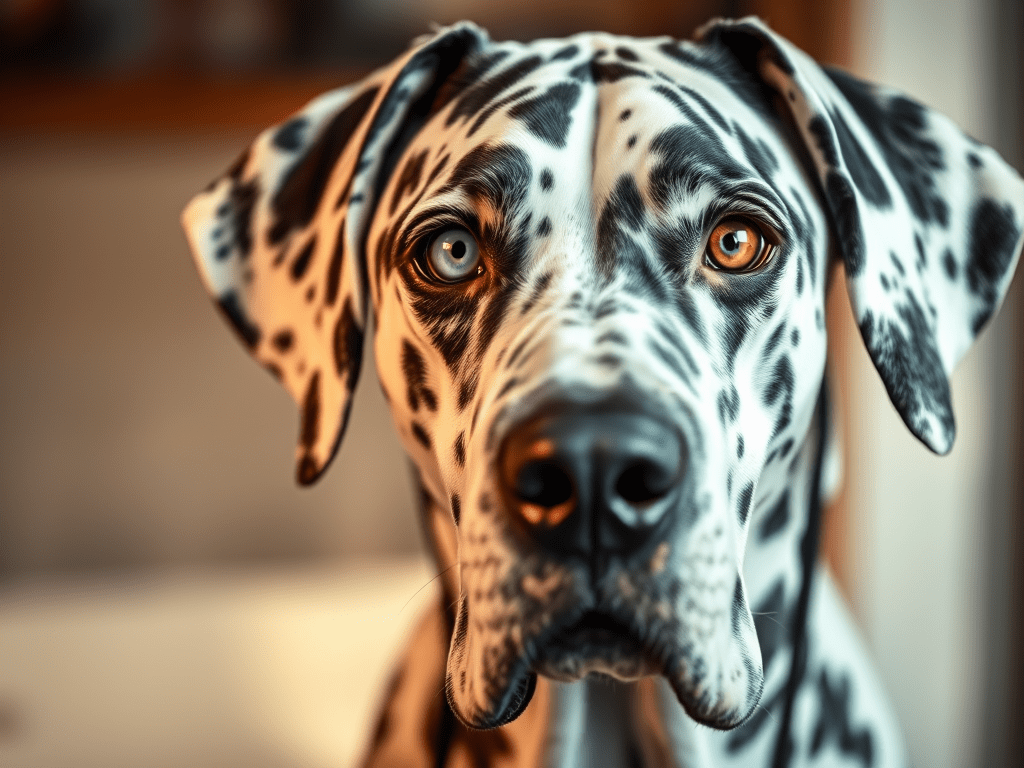
What are the common health problems associated with double merles? Double merles—dogs that inherit two copies of the merle gene (MM)—are prone to a range of severe congenital health issues, primarily due to the excessive lack of pigment caused by this genetic combination. The most common and widely recognized problems involve sensory impairments, specifically relating […]
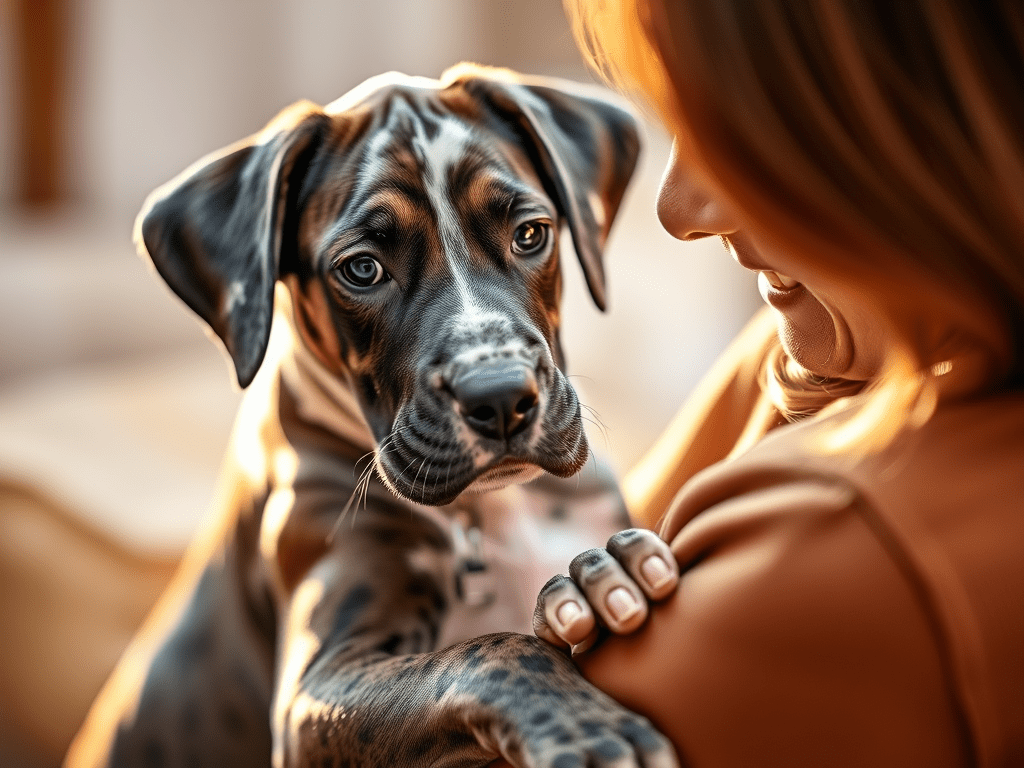
The Destiny of Dog Breeding: Finding Perfect Matches
Daily Writing Prompt: Fate and Destiny When breeding Great Danes, it often feels like more than just planning goes into matching a puppy with a family. You spend weeks studying temperaments and watching personalities grow, but the moment a specific dog connects with their new owner, it can feel like it was meant to be. […]

Understanding Fawnequin and Brindlequin Patterns in Dogs
How do Fawnequin and Brindlequin patterns occur? Fawnequin and Brindlequin patterns occur because the Harlequin gene is unique among merle modifiers: it affects both eumelanin (black/blue/chocolate pigment) and phaeomelanin (red/yellow/tan pigment). While typical merle modifiers only impact dark pigments, the Harlequin gene’s ability to affect red/yellow pigment means that if a dog inherits the merle […]
How Early Spaying Affects Puppy Metabolism
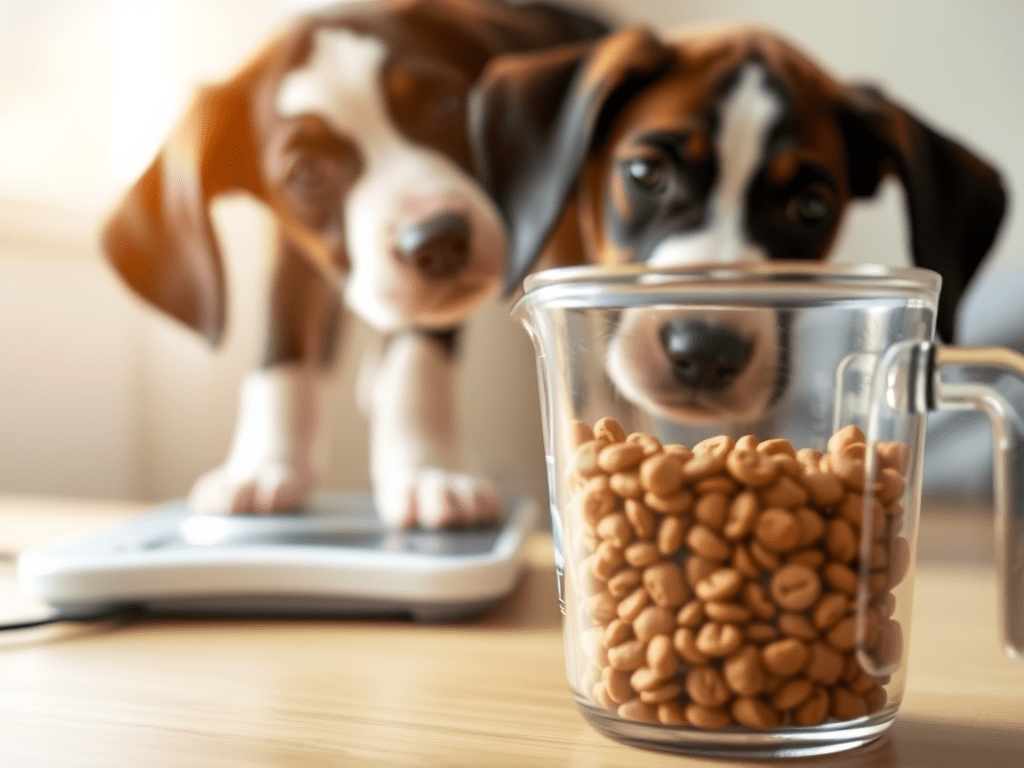
How does early spaying affect a puppy’s nutritional needs? Early spaying significantly alters a puppy’s nutritional needs by lowering their metabolic rate, which requires an immediate adjustment in how much you feed them to prevent growth issues. Decrease Caloric Intake Following spay or neuter surgery, a puppy’s energy requirements rapidly decline. To prevent unhealthy weight […]

Understanding Great Dane Prey Drive: Myths and Realities
What does a Great Dane’s prey drive look like? Based on the sources, a Great Dane’s prey drive can vary drastically from dog to dog, ranging from a strong tracking instinct to a complete fear of small critters. The Genetic Hunting Instinct Because Great Danes were historically bred for their size, strength, and speed, their […]
Understanding Same-Sex Aggression in Female Dogs
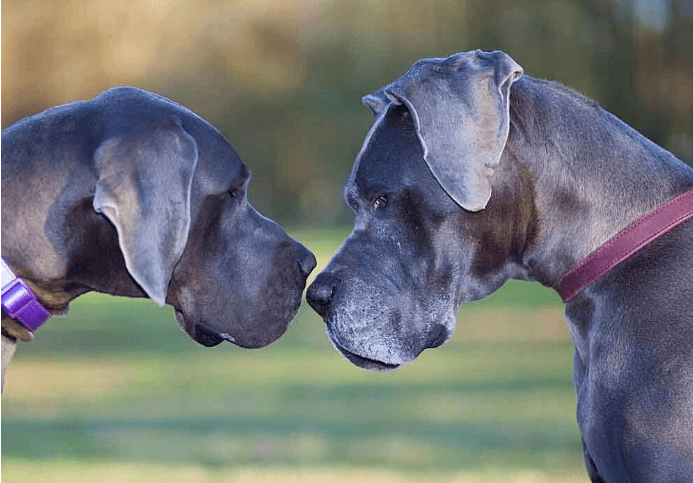
Is same-sex aggression really more common among female dogs? What are some signs of a ‘mediator’ dog in a pack? How can I safely use a ‘bear bell’ for management? Yes, interdog aggression is notably more common between same-sex housemates, and females are overrepresented in case studies involving this issue. The conflicts between female dogs […]

What is the best way to safely break up dog fighting?
What is the best way to safely break up dog fighting? Safety First: What NOT to Do The most important rule when breaking up a dog fight is to never put your hands, arms, or any other body parts between the fighting dogs. When dogs are highly aroused in a fight, they can easily mistake […]

Understanding Optimal Growth for Giant Breed Puppies
Beyond the Roly-Poly: 5 Counter-Intuitive Truths About Raising Large-Breed Puppies 1. Introduction: The High-Stakes Growth Curve In the veterinary exam room, I often encounter a profound disconnect between a client’s eyes and the clinical reality under my hands. To an owner, a “roly-poly” puppy is the pinnacle of health—a soft, sturdy bundle of potential. To […]

Building Duty Danes: A DIY Project in Canine Care
The most ambitious DIY project I have ever taken on is the creation and growth of Duty Danes. It began as a vision to raise Great Danes that could serve as service and therapy animals—healing hearts one paw at a time—and it required me to build every part of the operation from the ground up. […]
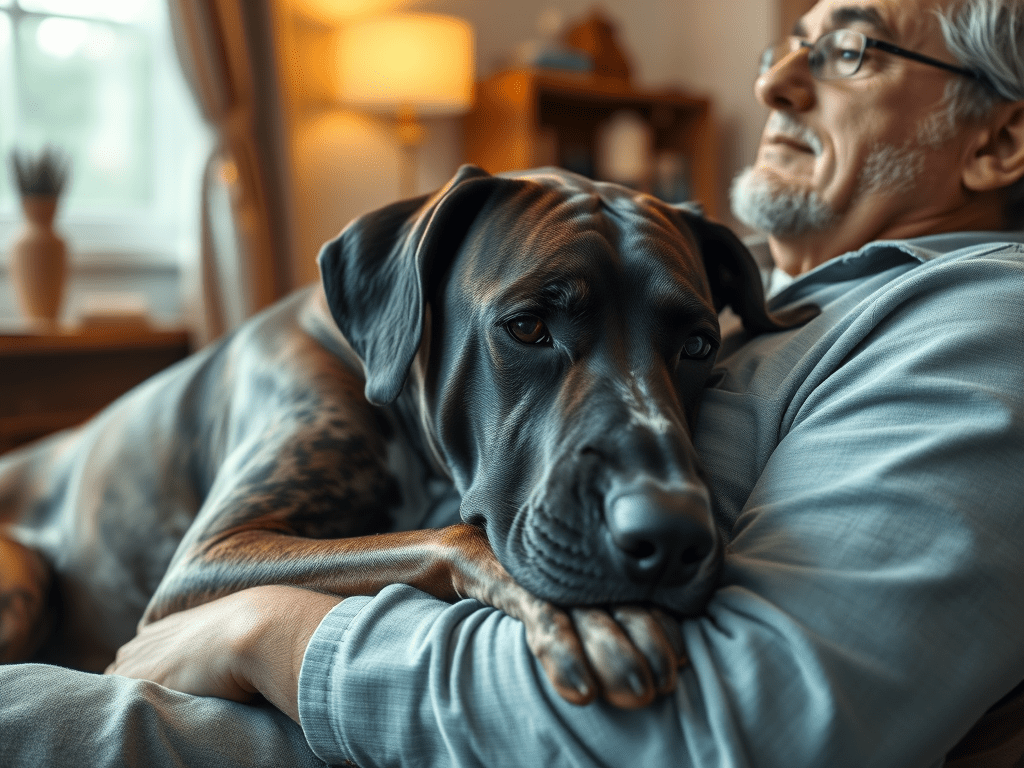
How Psychiatric Service Dogs Aid in Managing PTSD and Anxiety
How Psychiatric Service Dogs Provide Support Psychiatric Service Dogs (PSDs) are trained to perform specific tasks that mitigate a handler’s mental health disability. Unlike emotional support animals, PSDs take active measures to assist with conditions like PTSD, anxiety, or depression. Deep Pressure Therapy (DPT) The dog uses its body weight to provide tactile stimulation, often […]