

What is the relationship between the d allele and alopecia?
The d allele is a recessive variant of the dilute (MLPH) gene, and inheriting two copies of it (the homozygous d/d genotype) is the underlying cause of Colour Dilution Alopecia (CDA).
Here is how the d allele and alopecia are related:
• The Mechanism of Hair Loss: The normal function of the dilute gene affects the formation and storage of pigment in the hair. When a dog inherits the d/d genotype, it causes a defect in the transport of melanosomes within the cells. This leads to the clumping of melanin granules, which structurally weakens the hair shaft (creating a defective pillar structure). Because the hair is structurally unsound, it breaks easily, leading to progressive hair loss (alopecia) characteristic of CDA.
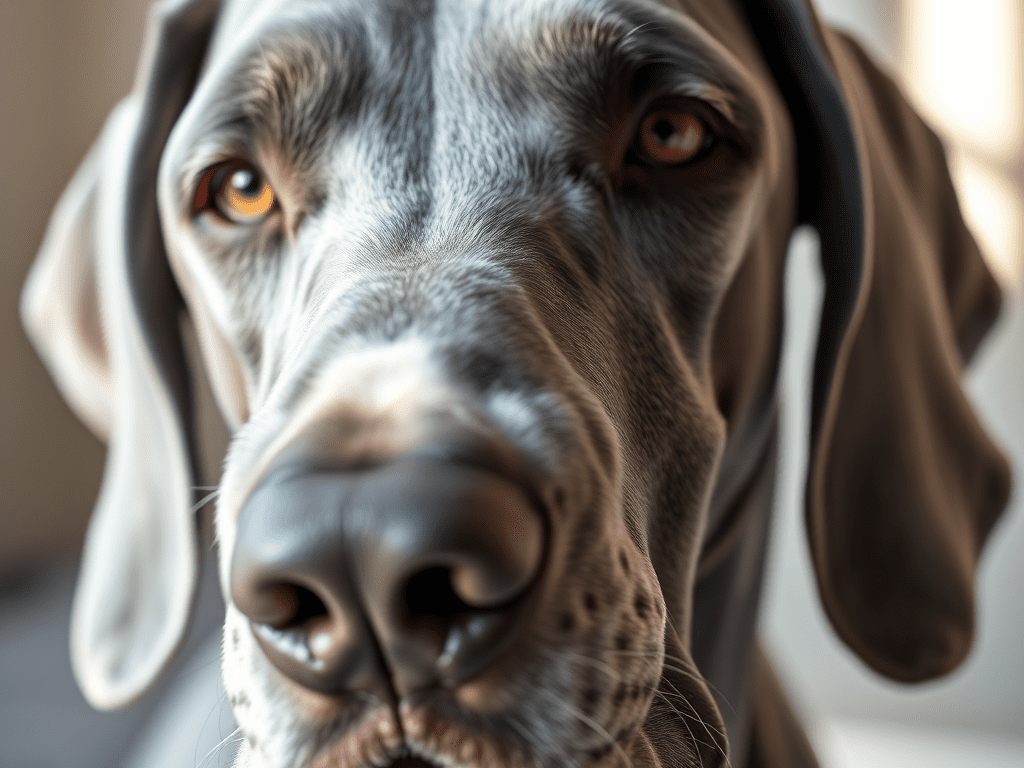
• Not All Dilute Dogs Develop CDA: While the d/d genotype is responsible for lightening black pigment to blue or brown pigment to lilac, having this genotype does not guarantee a dog will develop alopecia. The risk appears to be breed-specific; for instance, the classic German Weimaraner is exclusively dilute but does not appear to be affected by CDA, and the same is true for the blue color in Great Danes. Conversely, breeds like Dobermans, Labrador Retrievers, and French Bulldogs are highly susceptible.
• Testing Limitations: Currently, genetic tests can identify three variants of the d allele (d1, d2, and d3). However, these tests can only confirm if a dog has the genetic makeup for a dilute coat; they cannot predict whether a dog with the d/d genotype will actually develop CDA.
Because mating two healthy dogs that carry the d allele (D/d) can result in offspring with the d/d genotype, breeders of at-risk breeds are strongly recommended to use genetic testing to identify carriers and manage the risk of producing puppies that may suffer from alopecia.